Bournemouth study solves ancient frogs
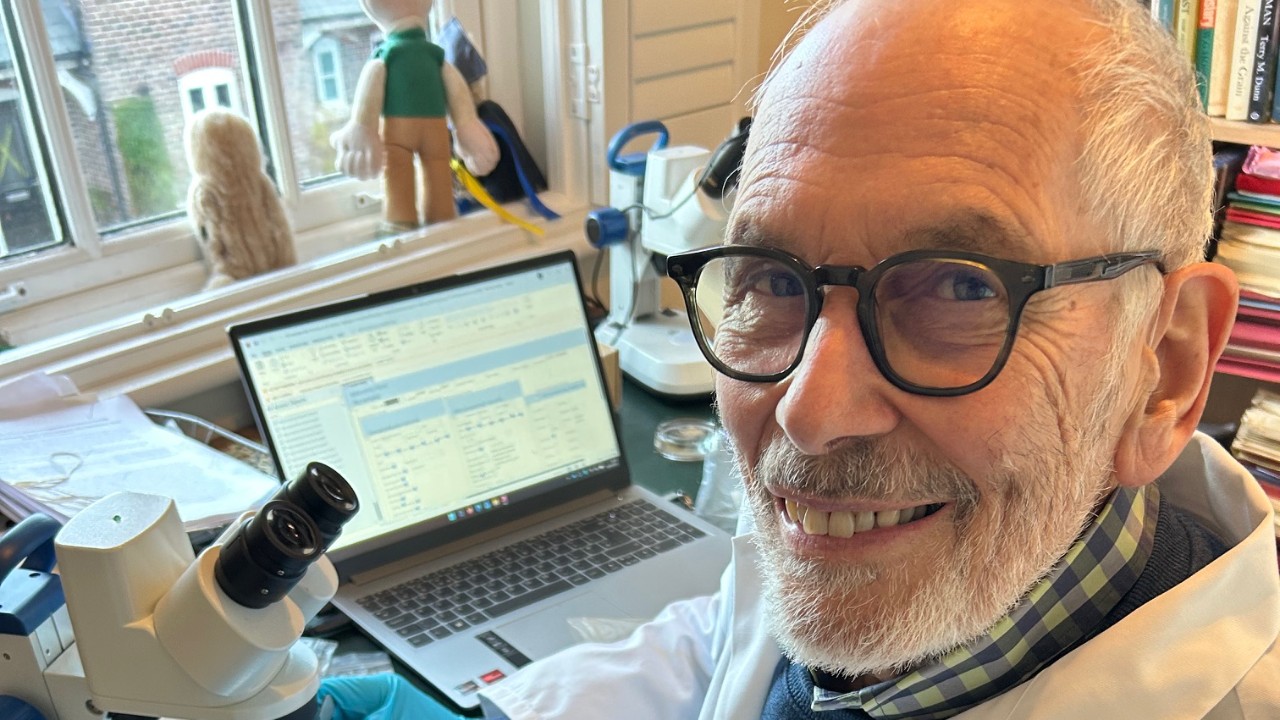
A Bournemouth University researcher has helped solve the mystery of thousands of ancient frog bones.
The bones were uncovered on the National Highways A14 Cambridge to Huntingdon Improvement Scheme between 2016 and 2018, before Dr Paul Clarkson worked with Museum of London Archaeology to examine the 1,700 year old remains.
Comparing marks on the bones with previous research, Dr Clarkson found birds of prey had eaten the frogs, with short eared owls and hen harriers considered the most likely animals responsible.
Further work by the Bournemouth team measured the frogs' humeri, or arm bones, and suggested most died young after being eaten during the winter of their first year, while radiocarbon dating by the University of Vienna linked the remains to the Roman period.
Researchers said retreating Fen waters created breeding conditions for frogs, while evidence from snails, pollen and charcoal showed woodland had been cleared for livestock, leaving more open ground for grassland hunters.
Dr Clarkson said the bones offer an “owl’s eye view” of the past and show “what wild animals were getting up to”, as well as life for people living near the Roman Fens.